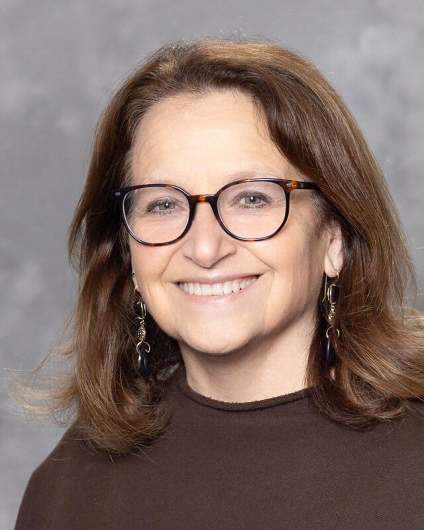


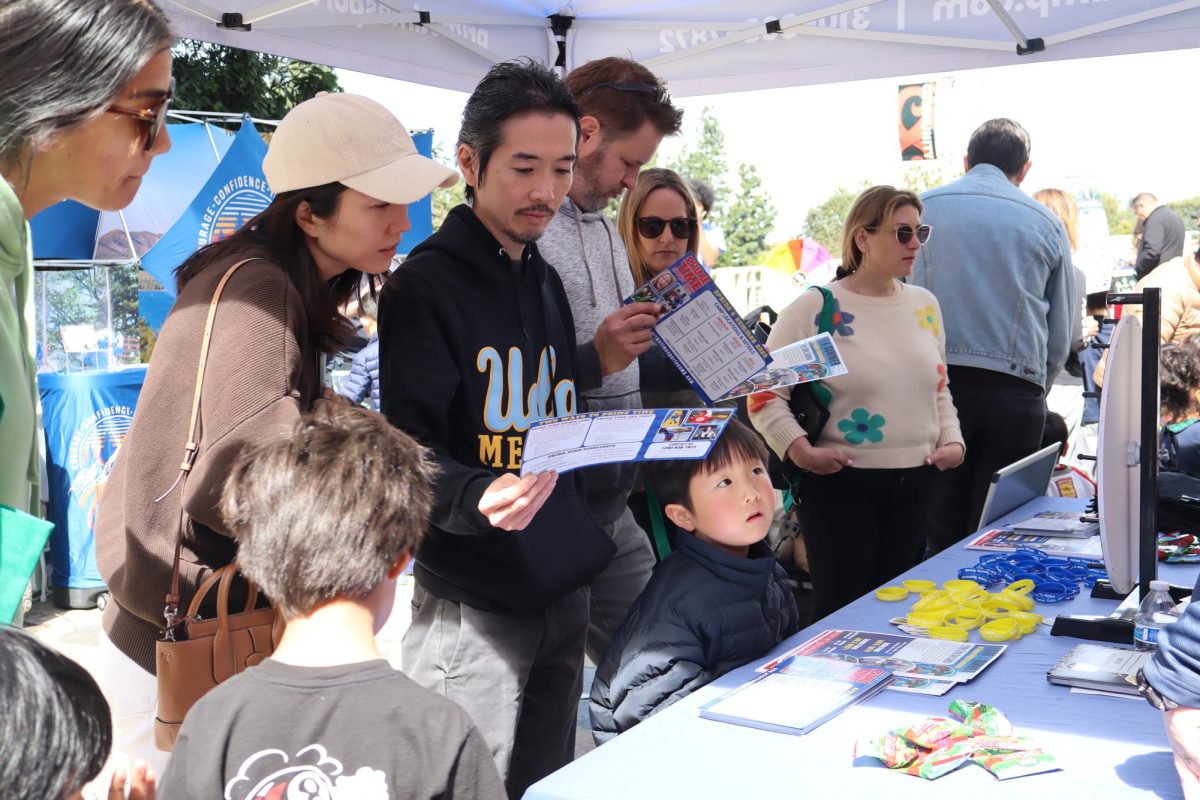





The school instated a series of policies with the goal of increasing community, belonging and fostering connections this year. Head of Upper School Beth Slattery said that following the COVID-19 pandemic, declines in teen mental health and Los Angeles fires, the school felt the need to strengthen community bonds this year.
“The past five years have been hard,” Slattery said. “COVID-19 had people get really used to not being together, and so I’m trying to have people be more intentional about spending time together.”
Since the end of last year, faculty talked about new policies to help students engage with their peers and teachers more. One new implementation this year is moving community time and class seminars to earlier in the day.
Slattery said that the schedule change was implemented to avoid students leaving campus at 1 p.m. and skipping class meetings and community time to go home early.
“Students were saying to faculty that the only time they could set up meetings was during lunch because they wanted to leave school and go home early,” Slattery said. “It was creating a lot of stress on teachers, and so by putting the office hours and free periods earlier in the day when kids will definitely be on campus, it creates more time for people to actually be together.”
Another policy change is the cell phone restriction policy, which aims to make people more present and create a stronger sense of community. Students will still be allowed to text on their computers in case of emergencies, but faculty hope that students will connect with each other in person more now that they are unable to spend time at school on their phones.
The school will also enforce faculty supervision during free periods. Every lunch, office hour and class seminar, five assigned faculty members will walk around the quad and sweep academic buildings to make sure all students are present and engaged.
Slattery said she hopes having faculty do the sweep of the campus will help staff across departments connect to one another. “Staff often stay in their department offices and don’t necessarily come together, so there will now be designated faculty and staff lunch tables. Two of these tables will be located at Rugby, and then the other will be in front of Munger.”
Slattery said she has observed several students isolating themselves and she wants to prevent this from continuing to happen.
“A lot of kids have been going into classrooms and locking the door behind them,” Slattery said. “It’s not really community building for people to be locked in a classroom and so we want to have people spend more time together.”
Lawrence Zhao ’28 said these new implementations have good intentions but potentially harmful effects.
“It’s a good attempt to try to bring the community together, but faculty supervision during free times might scare or intimidate students and take away from the genuine things students want to talk about,” Zhao said. “The idea of the Upper School is [having] more freedom, and so I was looking forward to using my phone and having more independence. But now, that’s not going to happen.”
Slattery said she hopes that these new policies will connect both students and teachers, thereby improving the overall well-being of the school.
“When people feel seen and connected to one another, then they feel better, they want to be here and this place feels like home to them,” Slattery said. “It mitigates the stress at school, when you actually feel like your teacher cares about you.”