







Currently, the western U.S. megadrought is on pace to last for a century, causing major water sources like the Colorado River to dry up and leave local ecosystems and communities dry.
Some argue for the reintroduction of the beaver as its dams would cause water to accumulate and be stored long-term. Then it slowly soaks into the ground instead of running off. This would potentially increase the captured water quality and refill reservoirs.
If nothing is done, the Colorado River could reach dead-pool, a state where water levels are so low that the river can no longer pass through the Hoover Dam’s turbines or outflow. The humanitarian danger is real, as there would be water scarcity for millions of people, agricultural hubs that depend on the river’s irrigation failing overnight, energy shortages from lack of water flow through the dam, and forced mass relocation.
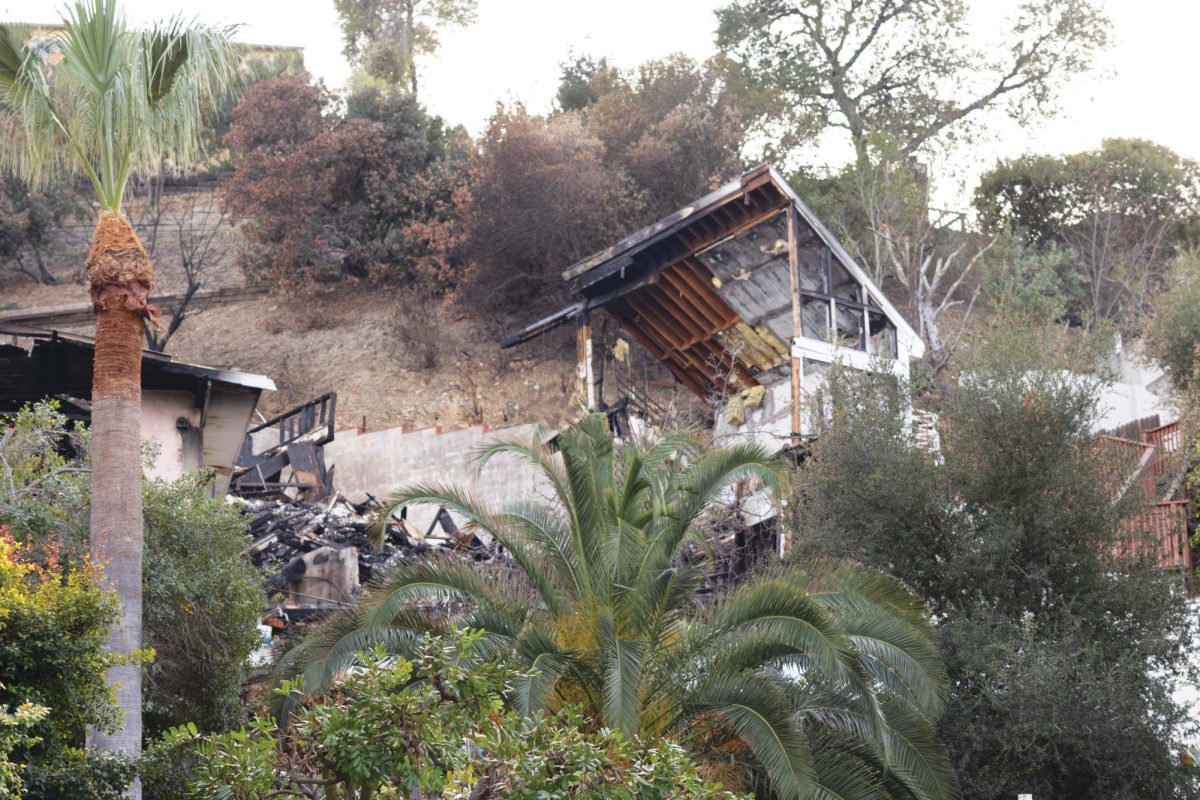
The second threat is wildfires. As climate change continues to warm the planet, fires’ intensity escalates. Wildfires have become increasingly prevalent and dire, spreading faster and occurring more frequently, releasing harmful gases into the air which negatively impact natural water sources.
The introduction of beavers could lead to a more fire-resistant ecosystem. In fact, places with robust beaver populations have been shown to burn three times less often than those without. This is a result of the stored water decreasing regional drought conditions and making the ground wetter in general, making it more difficult for the fire to spread. Additionally, when the tree-cutting beavers build their dams, they make burn patches smaller and give the fire fewer places to spread.
Species reintroduction, however, can have unintended consequences. Beaver dams reshape the rivers and paths of nature, fundamentally restructuring the landscape. For example, when the beaver was reintroduced in England, it caused unforeseen flooding and blocked migration paths for fish.
The presence of beaver populations can cause increases in local levels of methylmercury, which is a harmful toxin containing mercury. Beaver ponds, which lack oxygen, are a hotspot for the bacteria that generate these neurotoxins. This toxic chemical can then be consumed by humans, which can lead to mercury poisoning and nerve damage.
The migration patterns of beavers is also significant, and unexpected pathways could lead to unforeseen consequences. For example, introduced beavers could migrate upward to the permafrost, permanently frozen soil located around the North pole. The presence of a beaver population could lead to the thawing of this landmark environmental safeguard.
This occurs because beavers create dams, storing up water which becomes warmer than the surrounding permafrost and, thus, increasing the rate at which the permafrost melts. This process releases harmful carbon dioxide and methane trapped within the ice.
Reintroducing beaver populations is a complex issue that confers both enormous benefits but also leaves the possibility for drastic downsides. It rests on the shoulders of leading researchers and analysts to make the decision whether to reintroduce beavers into a wild habitat, using their discretion to weigh out both the positives and negatives of this action. Finally, it rests on us to make a change in our community – to fight for more tangible and impactful climate action so that we don’t find ourselves in positions such as this one.

