







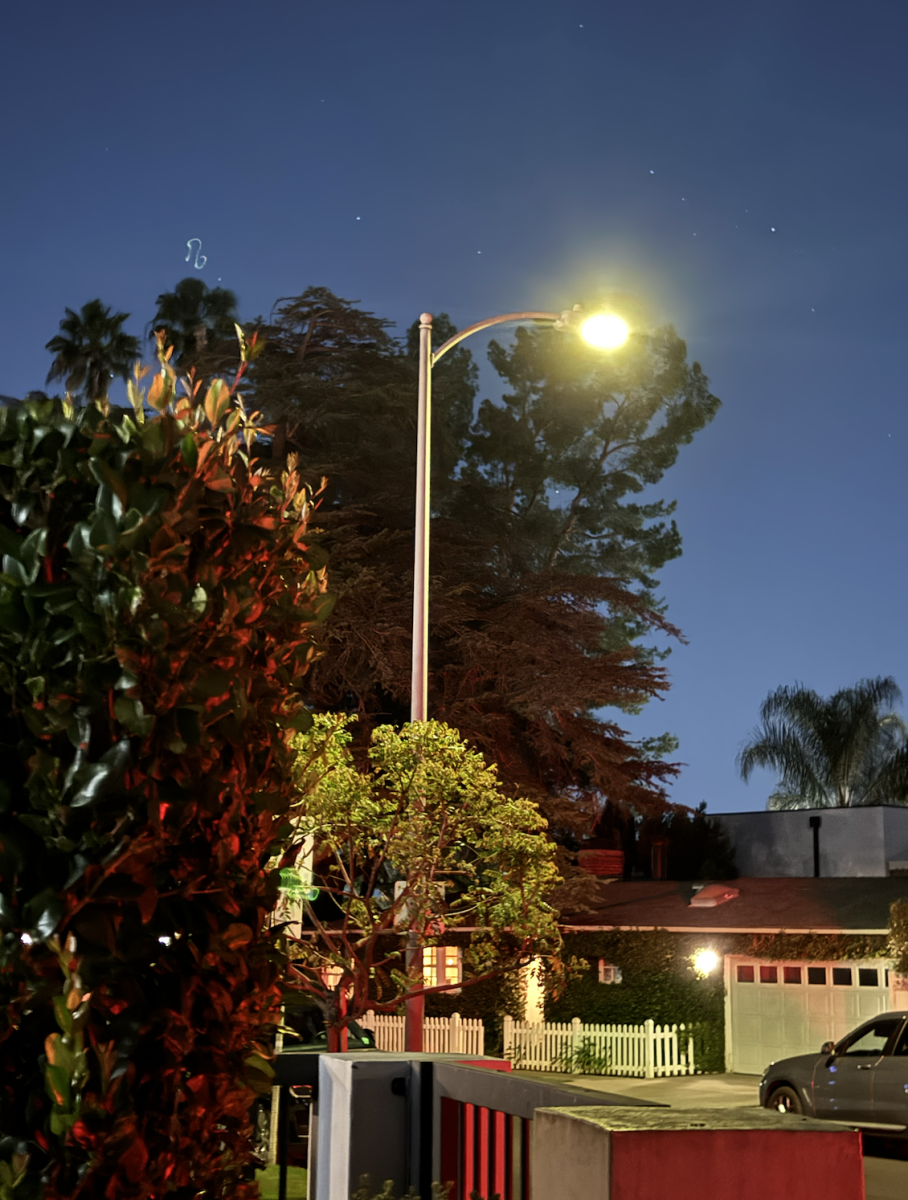
Light pollution, quite ironically, is one of the biggest but invisible crises of our world. In recent years, we’ve lit up cities and used LED lights. The spread of light pollution has increased hundreds of times since the 1970s and is estimated to increase several hundred times more. It’s most often attributed to a sense of security developed when we were more primitive. However, the opposite is true. Well lit areas actually have an increased crime rate compared to darker areas.
The dying from the light: why does light pollution have such a devastating impact? Simply put, it decimates ecosystems and destroys biodiversity. Global insect populations have declined 70% over the past 50 years. Moths and caterpillars hatch near artificial lights that allow predators to catch them. However, this causes cascades in the food chain, affecting birds. For example, songbirds specifically migrate at night and use the moon as a navigational tool. The artificial light created by street lights disorients them, and they slam into buildings and oftentimes die. Moreover, other critters often stay on light bulbs and overheat.
Furthermore, the unnatural light affects every single species’ circadian rhythms, including humans’. There is a mismatch between when chicks hatch and when food is available as a result of early nesting. The length of day determines breeding time for reptiles, and the fake light facilitates premature breeding. Consequently, both these chicks and reptiles hatch at inopportune and unnatural times as a result of the artificial light.
Light signals when to eat, sleep, hunt, or migrate, essentially affecting every aspect of animals’ lives. Changing when these necessary biological activities happen has devastating effects. For example, turtle hatchlings typically know they have to move to the brighter ocean away from land to survive. Instead the overlit cities are attracting turtles toward their death, often by dehydration or being run over.
Additionally, plants – which are entirely dependent on light – are affected as well. Nocturnal plants with artificial light nearby experience 62% less pollination than those without. Coral reefs are also affected because the fake light can mask the moon, delaying reproduction and decreasing the chance of offspring.
Zooplankton stay on the bottom of lakes and rise during the night to feed on algae. However, as a result of manufactured lights, they simply never migrate, and algae overwhelms other life in the ecosystem. Trees function on day-night cycles to know when to photosynthesize. Extending the length of a day disrupts flowering patterns, the timing of shedding leaves, and often results in a lack of stored energy for the winter.
Additionally, light pollution can target keystone species, the backbone of ecosystems. Plants and insects are the base of an ecosystem, and when they get impacted, so does every other species. Biodiversity isn’t linear but exponential, and as we lose more species it will only get worse. This presents a dilemma: we could reach invisible thresholds because we don’t know how many species we can lose until an entire system collapses.
Biodiversity loss is a real issue, often being called a threat multiplier because it causes conflict over resources and reduces ecosystem resistance to climate change. Additionally, we need biodiversity for many things. Most remedies for disease come from the wild. In fact, 33.3% of top-selling prescription drugs are still harvested from nature.
The way we innovate new or improved crop varieties is by taking from the raw material of biodiversity. Absent biodiversity, our agriculture industry collapses. Crops depend on a multitude of species, from pollinators to underground microorganisms.
What is the solution? Well, before creating more lights, we should implement a light policy that forces the weighing of light pollution’s environmental harm and its benefit to humans. This may seem abstract, but in reality it’s quite simple: if it harms non-humans and doesn’t help humans, don’t put a light there.

